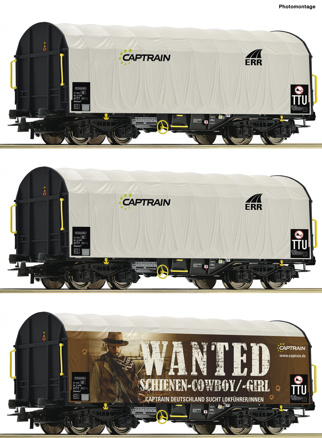
Captrain Deutschland GmbH is a company of the SNCF Logistics Group (Transport and logistics of the French Société Nationale des Chemins de fer Français (SNCF)). SNCF Logistics offers intermodal transport solutions - in Europe and worldwide - with a network spanning more than 120 countries.
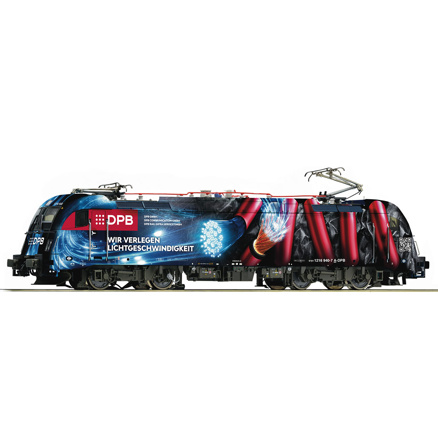
The Taurus-3 locomotive E 91 (1216 940) delivered in 2008 to the Salzburger Lokalbahn (SLB) became the main locomotive for the so-called “Kaindl Shuttle”, a container train from the Liefering terminal to Hüttau and back. During the restructuring of the goods transport at Salzburg AG, the locomotive was sold in June 2021 to DPB Rail Infra Service GmbH.
DPB Rail Infra Service is an independent railway transport company and long-standing partner of the ÖBB in the fields of control command and signalling for railway infrastructures. The multi-system electric locomotive is an outstanding supplement to the goods transport sector of the company.